Never Type Master Data Again: Our Journey to an Automated Law Firm with Actaport
and why this is not possible with RA-Micro & Co.

December 30, 2025
- Manual mandate setup ties up valuable workforce and is particularly prone to errors in corporate law
- Automation increases quality for clients: no transmission errors, fewer correction loops, and full focus on legal work
- Technical implementation using cloud-native solutions (Apify, n8n, Actaport) completes processes in under two seconds
The Initial Situation: Manual Processes in Corporate Law
Our firm has a strong focus on Corporate Law. Here, complex company structures, managing directors, and shareholders must be recorded daily.
In the case of a German GmbH with several managing directors, manual transmission of data from the commercial register to the law firm software requires considerable effort. Master data must be copied, addresses researched, and participants created individually. This process ties up – depending on the complexity of the structures – at least 15 to 60 minutes of qualified time from assistants or lawyers per file setup.
Furthermore, manual data entry carries a high risk of transmission errors. As a modern firm, we have set ourselves the goal of minimizing these administrative activities through technical solutions.
The Technical Solution: Orchestration of Apify, n8n, and Actaport
Our approach replaces manual research with an automated data pipeline. Technically, this solution is based on the combination of three specialized components:
- Data Sourcing (Apify): A specialized crawler, hosted on the Apify microservices cloud platform, accesses the German Commercial Register. It extracts the public raw data (XML in XJustiz format) of the target company in real time –incorruptibly and directly from the source.
- Process Logic (n8n): The structured data is passed to our n8n automation server, which acts as the logical "brain."
- Data Storage (Actaport): The data records are finally created via the REST interface of our Actaport law firm software.
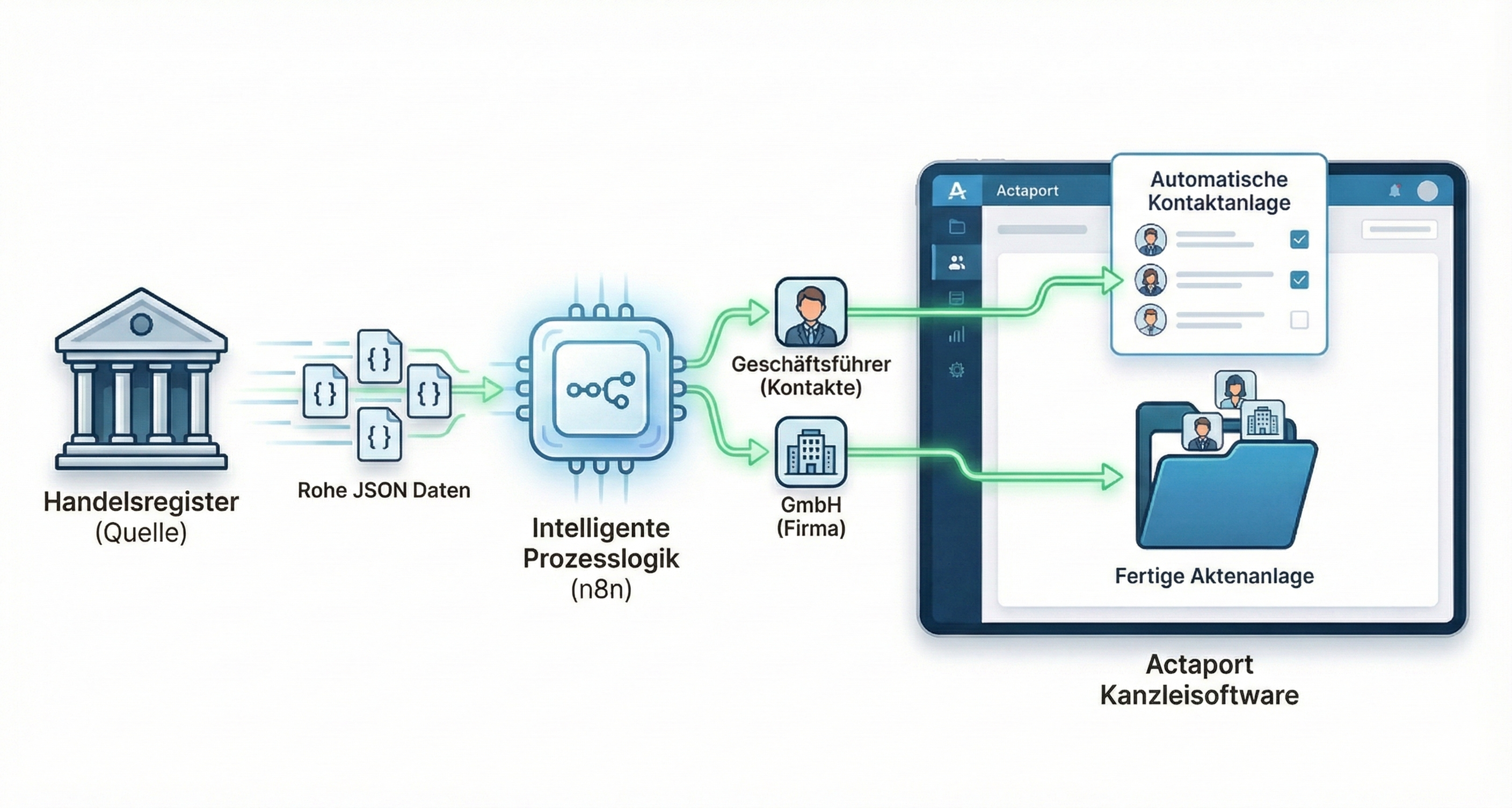
Figure 1: The automated data flow from the Commercial Register into the firm's software.
The Workflow Logic in Detail
The heart of the automation is an n8n workflow that goes far beyond pure data import. It digitally maps the logical decision chain of a professional:
Iteration and Duplicate Check: The system iterates through the list of extracted managing directors. Before creating a new entry, the workflow checks via API query against the existing database in Actaport whether a person (identified by name and date of birth) already exists.
Conditional Branching:
- Scenario A (Person known): The system uses the ID of the existing data record to avoid redundancies.
- Scenario B (Person unknown): The contact is created as a new natural person, including private and business addresses, fully automatically.
Aggregation and File Creation: Finally, the workflow generates the legal entity object (the GmbH), stores the share capital and company object, and links the identified managing directors as legal representatives. The entire data validation and creation process takes place in under two seconds.
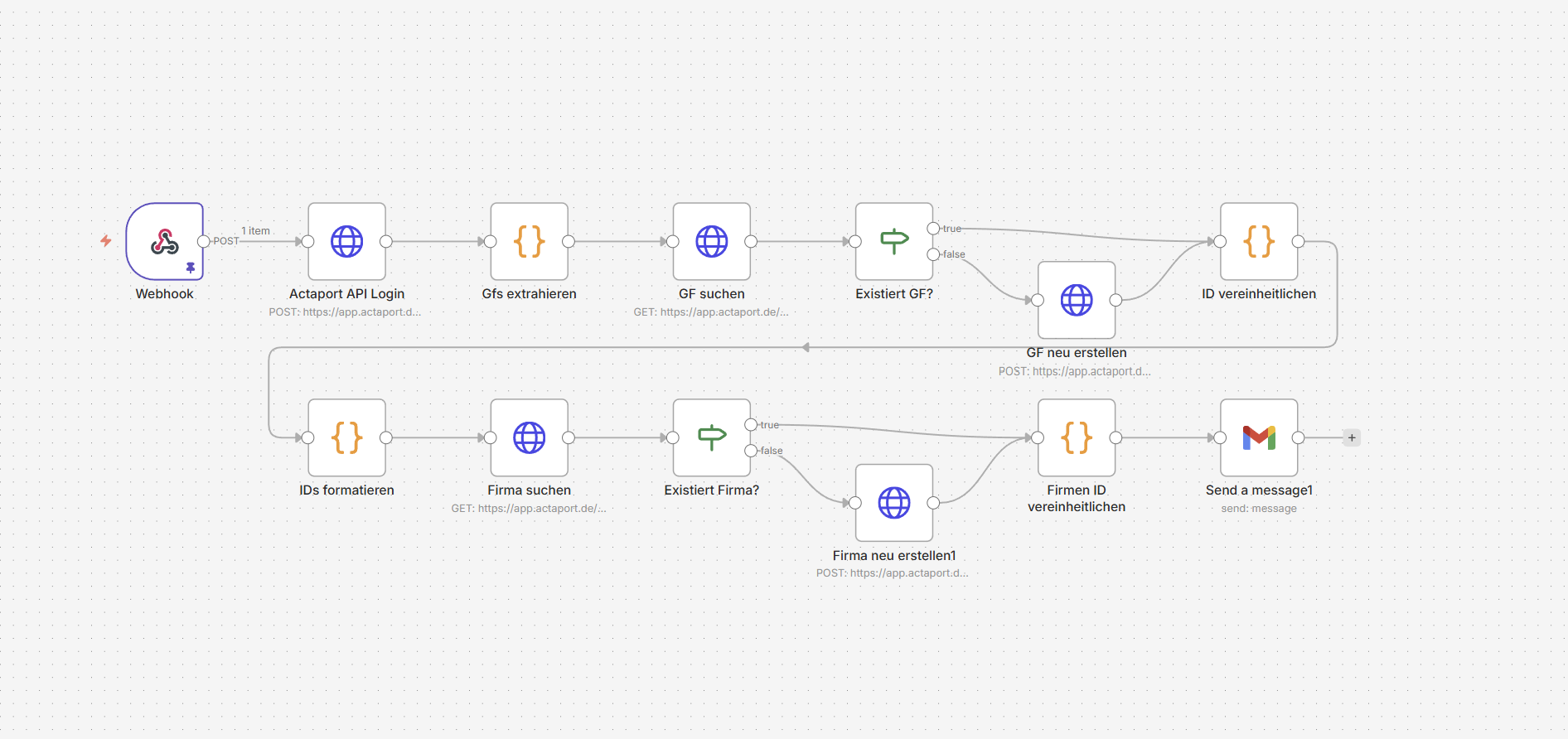
Figure 2: The "intelligence" of the system – the n8n workflow maps decision processes.
System Comparison: Actaport vs. Market Competitors (RA-Micro, DATEV, Advolux, Advoware)
The decision for Actaport was primarily architectural in our case. The market for law firm software is roughly divided into historically grown "monoliths" and modern cloud-native solutions. The difference becomes obvious in automation projects:
Actaport (Cloud-Native)
Actaport pursues an "API-first" approach. The REST interface is an integral part of the architecture. External tools (such as our n8n server) can read, write, and update data in real time via standard web protocols (HTTP/JSON). The hurdle for connection is low, and the documentation is transparent.
RA-Micro & DATEV Anwalt classic
These market leaders offer an enormous range of functions and high integration depth. However, technologically they are often based on older client-server structures or SQL backends. Automations here often require direct access to databases, the use of proprietary interfaces, or the use of aids such as RPA (mouse-click simulation). A direct web request to create a file is often complex or not intended here.
Advolux & Advoware
Systems like Advolux or Advoware also offer solid functions for file management. However, the connection of external cloud crawlers often fails due to the "on-premise" structure (local installation). To channel data from outside into these systems, VPN tunnels or local help scripts are usually necessary. They lack the native capability to receive webhooks directly.
Outlook: AI-Supported Lawsuit Analysis
Following the successful automation of the commercial register import, we are currently working on the next step: the analysis of incoming claims. The goal is to use AI models (LLMs) to read unstructured PDF documents, extract metadata such as value in dispute, parties, and place of jurisdiction, and fully automatically prepare the file creation in Actaport.
Security and Professional Law
When implementing automation solutions in law firms, data security and compliance with professional secrecy obligations are top priorities. Our setup takes these requirements into account:
- Self-Hosted Infrastructure (Data Sovereignty): The automation server (n8n) is not operated in a public cloud, but as a self-hosted instance on controlled infrastructure. This ensures that the processing logic and temporary data streams do not leave our sovereignty.
- Use of Public Data: The application described here exclusively processes data from the commercial register. By definition, this involves public register data that is not subject to any secrecy interest.
- Encrypted Communication: Communication between the components takes place exclusively via encrypted connections (HTTPS/TLS) using modern authentication standards.
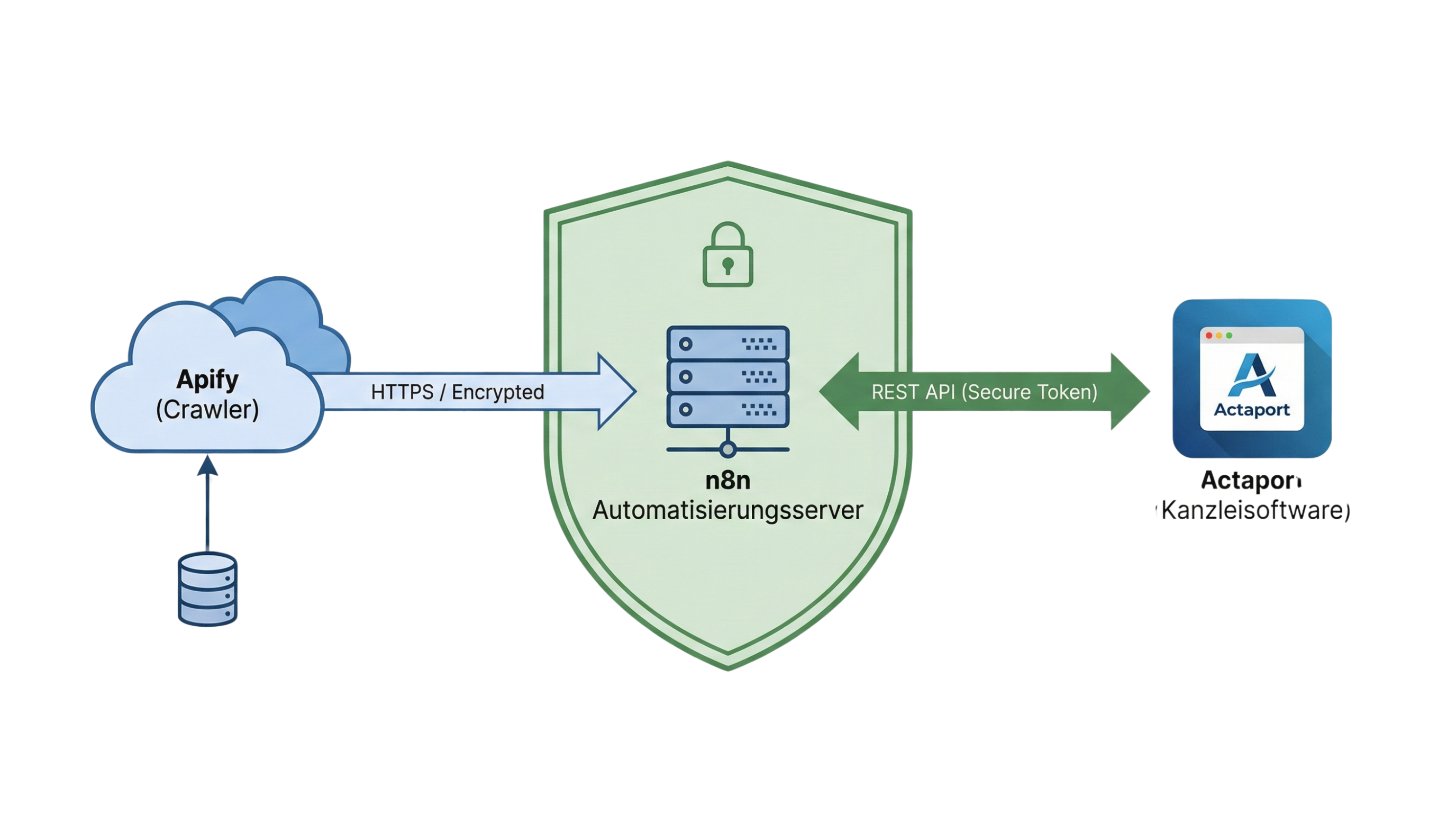
Figure 3: Data protection-compliant architecture with self-hosted zone.
Conclusion: Quality Leap for the Client
Technology is not an end in itself. This workflow shows that LegalTech in corporate law does not mean replacing the lawyer, but making them better.
By automating data creation, we lower the error rate to near zero and drastically reduce administrative overhead. The result is a service where clients do not pay for administration but for advice – with faster reaction times and maximum data accuracy.
Tools like n8n lower the entry hurdle enormously through their visual interface. Anyone who enjoys thinking their way into digital processes can use these means to develop automations that raise law firm service quality to a new level.